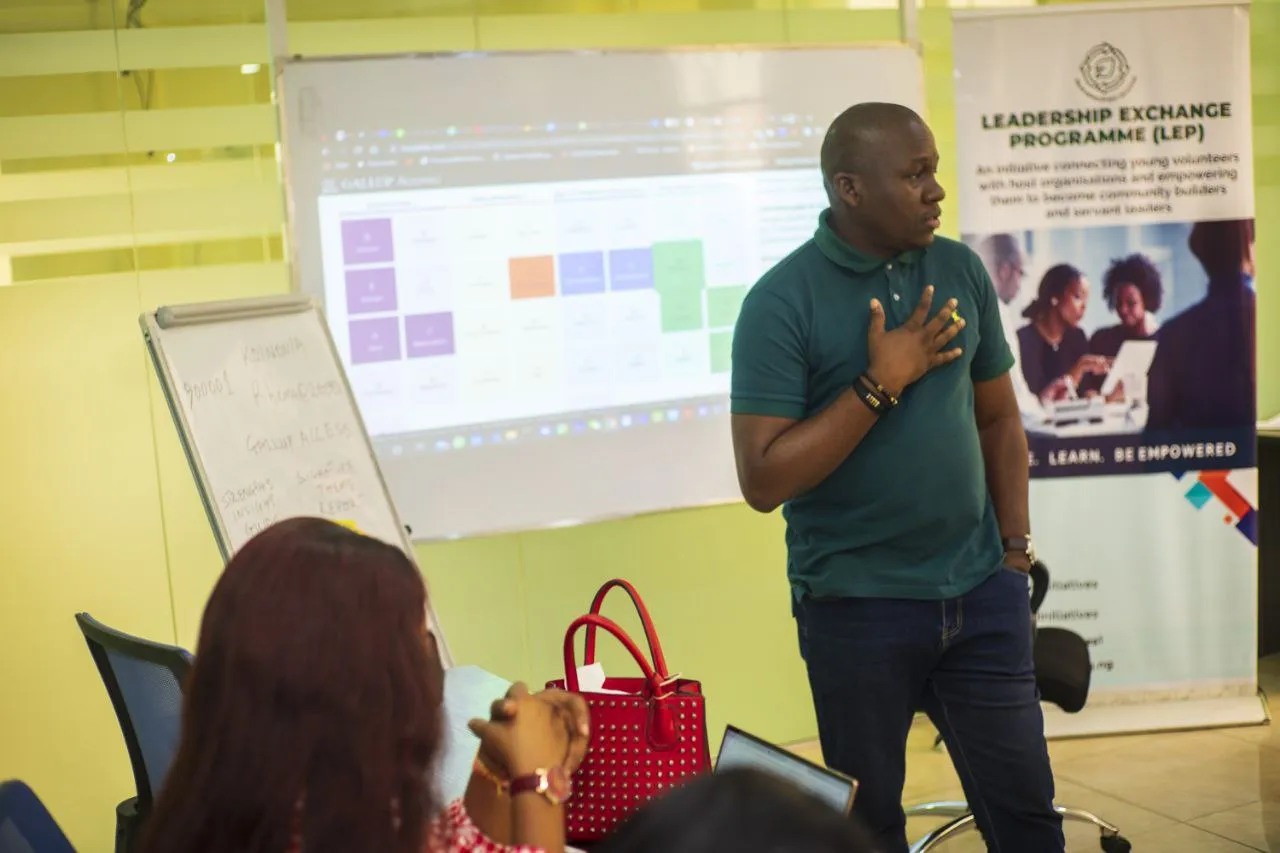
By Seun Onakoya, Lead Coach, The Seun Onakoya Company
Think about how most performance conversations go. A few minutes on what went well, then the rest of the meeting on what needs to improve. The development plan that follows is a list of gaps to close.
There is a place for that. Some weaknesses do need attention, especially when they get in the way of the job. But a team built on gap-closing alone ends up with people who are average at many things and excellent at few.
A different starting point
A strengths approach asks a different question. Instead of "What is this person bad at?", it asks "What does this person do naturally well, and how can we make more use of it?"
The answer is often surprising. The officer who seems slow in meetings may be the one who thinks a problem through before anyone else has noticed it. The colleague who talks too much may be the one who keeps clients loyal. Seen through their strengths, people make more sense.
What changes in a team
When team members understand their own strengths and those of their colleagues, three things tend to happen.
Work is shared more sensibly. Tasks go to the people best suited to them, rather than to whoever happens to be free.
People rely on each other. Someone who knows planning is not their gift can partner with a colleague for whom it is natural, and both do better work.
Conflict becomes easier to handle. Many disagreements are not about the issue at all, but about different ways of working. Naming those differences takes the heat out of them.
Weaknesses still matter
A strengths approach still deals with weaknesses, but it manages them rather than trying to erase them. Where a weakness gets in the way, the question becomes how to work around it: a partner, a system, a change of role. That is usually faster and less painful than trying to turn a weakness into a strength.
How to begin
Gallup's CliftonStrengths assessment gives each person a profile of their talents and a shared language for discussing them. Its value comes from what a team does with the results. Start by asking each member to share their top strengths and one way they use them at work. Then ask where the team could use those strengths better.
The strongest teams are made of different people who understand and rely on each other.
CliftonStrengths® is a trademark of Gallup, Inc.
0 Comments
Leave a Comment